If a drain in your Colorado Springs home is slow but nothing is leaking, it most likely needs drain cleaning. If you also see water stains, damp spots, a sewer smell in one room, or a clog that keeps coming back after it was cleared, the pipe itself may be damaged and need drain line repair.
The two jobs are easy to mix up because they start with the same complaint: water is not going where it should. This guide explains the difference, the signs that point to each one, and what a plumber checks before recommending either.
What Is the Difference Between Drain Cleaning and Drain Line Repair?
Drain cleaning removes what is blocking a pipe. Drain line repair fixes the pipe itself.
Your drain lines carry water from sinks, tubs, showers and the washer to the main sewer line. They run through walls, under floors and across crawl spaces. Two different things can go wrong with them:
- Something is in the pipe. Grease, hair, soap, food and wipes build up until water slows or stops. The pipe is fine. It just needs to be cleared.
- Something is wrong with the pipe. A joint has come apart, a section has cracked, or the pipe has sagged so water and waste sit in a low spot. Clearing it may help for a while, but the problem returns until the damaged section is fixed.
| Drain cleaning | Drain line repair | |
|---|---|---|
| What it fixes | A clog or buildup inside the pipe | A cracked, broken, sagging or leaking pipe |
| Typical sign | Slow drain, standing water, gurgling | Stains, damp spots, smells, repeat clogs |
| Water outside the pipe? | No | Often yes |
| Opening walls or floors | Not usually | Sometimes, only where the damage is |
Signs Your Drain Just Needs Cleaning
Most slow drains are simple clogs. These signs usually point to cleaning:
- One fixture is slow and the rest are fine. A bathroom sink full of hair or a kitchen drain coated in grease is a local clog close to that fixture.
- Water pools in the sink or tub, then drains away. Something is narrowing the pipe, but water is still getting past.
- The kitchen sink backs into the second bowl. Grease and food build up in the kitchen line over time.
- Gurgling or bubbling. Air pushing past a partial clog makes noise before a full blockage.
- No water anywhere it should not be. No stains, no puddles, no damp cabinet floor.
Colorado Springs Utilities notes that many backups are caused by blockages in private service lines, and it warns that grease and so-called flushable wipes collect and harden in pipes. Those are the same things we find in most clogged kitchen and bathroom drains.
Signs the Drain Line Needs Repair
When the pipe is damaged, water usually shows up somewhere it should not, or the same clog keeps coming back. Watch for these:
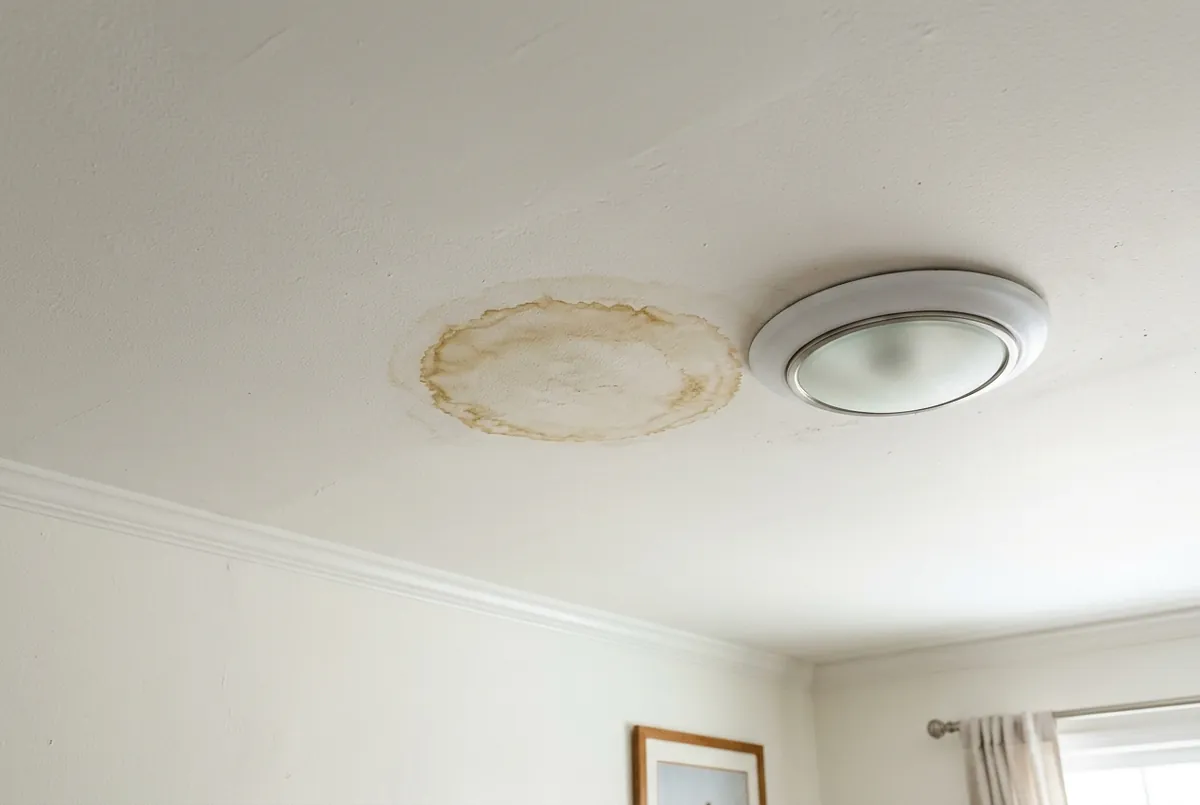
- A water stain on a ceiling or wall. A brown ring on the ceiling below a bathroom often means a drain pipe or joint leaks when that fixture is used.
- Damp spots or puddles in the crawl space. Water under the house after showers or laundry points to a cracked or separated drain pipe.
- A musty or sewer smell in one room. Drain gas from a cracked pipe or loose joint can build up in walls, cabinets and under floors.
- Warped flooring or loose tile near a tub or shower. Slow leaks soak the subfloor long before anything drips.
- Mold or mildew under a sink. Steady dampness inside a cabinet usually means the trap or drain pipe leaks a little with each use.
- A clog that comes back again and again. If the same drain clogs every few weeks after being cleared, something is catching waste. That can be a sag, a broken section or an offset joint.
Why a Clog Keeps Coming Back
A repeat clog is the point where cleaning and repair meet. Clearing the drain fixes the symptom. If the pipe has a low spot, a rough break or a joint that has shifted, waste catches there and builds up again.
That is where a camera helps. We feed a small waterproof camera on a cable into the drain and watch the screen as it moves through the pipe. You can watch with us. It shows whether the line is simply dirty or whether the pipe is damaged, and exactly where.
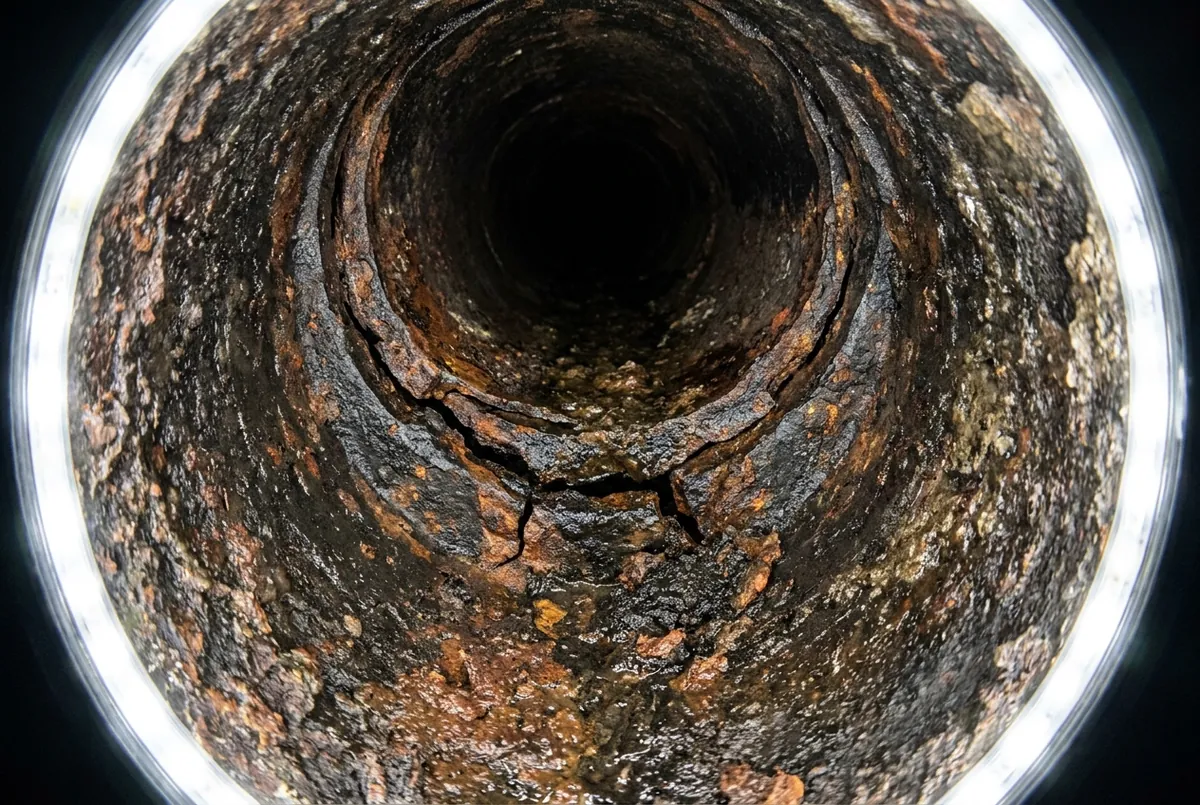
Older homes are more likely to have damaged drain lines. Many homes across the Westside, Manitou Springs and Security-Widefield were built decades ago with cast iron or galvanized drains that corrode from the inside. Expansive clay soils along the Front Range swell when wet and shrink when dry, which can shift buried pipe over time. Freeze-thaw swings in places like Woodland Park and Monument add stress to pipes in crawl spaces and exterior walls.
What a Plumber Checks First
When you call us about a slow or problem drain, we follow our three-step process.
- Diagnostic Assessment. We ask which drains are slow and when it started, then look for stains, damp spots and smells. If one fixture is clogged, the problem is close to it. If the clog keeps returning, or there are signs of a leak, we run a camera to find the cause and the exact spot.
- Upfront Strategy. We explain what we found in plain words: a clog to clear, or a damaged section to repair. You get an estimate before any work starts, with no hidden fees.
- Precision Execution. For a clog, we clear the drain. For a repair, we open only what we need to reach the damaged pipe or joint, replace it, test it with running water and leave the area clean.
Repair or Clean: Which Costs More?
Cleaning a clog is usually the smaller job. Repair depends on where the pipe runs and how much is damaged. Pipe under a sink or in an open crawl space is easier to reach than pipe inside a finished wall or under a slab. One bad joint is a smaller job than a long run of cracked cast iron.
Finding the damage first keeps a repair as small as it can be. A camera locate means we cut into as little wall or floor as possible, instead of opening a whole ceiling to look for a leak. You always see the estimate before we start.
What You Can Do Before You Call
- Check every drain. Is it one fixture or several? Several slow drains at once point to the main line rather than a branch drain.
- Look for water. Check the ceiling below bathrooms, the cabinet floor under sinks and the crawl space if you can reach it safely.
- Skip the harsh chemical drain cleaners. They can harm older pipes, and they do nothing for a cracked or sagging line.
- Keep grease and wipes out of the drain. Wipe greasy pans with a paper towel and throw wipes in the trash, as Colorado Springs Utilities recommends.
Common Questions
Can drain cleaning fix a broken pipe?
No. Cleaning clears what is inside the pipe. If the pipe is cracked, separated or sagging, the clog or leak will return until that section is repaired.
How do I know if the problem is the main sewer line?
If several fixtures back up at once, or water rises in a tub or toilet when another fixture drains, the main line is the more likely cause. That is a job for our sewer line repair and replacement service, and a camera inspection shows what is going on.
Do you have to open my wall to repair a drain line?
Only if the damaged pipe is inside it. We find the spot with a camera first so we open as little as possible, and we tell you what needs opening before work starts.
Is a camera inspection worth it for one slow drain?
For a single slow drain with no other signs, usually not. Clearing it is often enough. If it clogs again soon, or you see stains or smells, a camera inspection is the next step.
Not Sure Which Your Drain Needs? Call Incline Plumbing & Drain
We are a locally owned plumber based on the Westside of Colorado Springs, serving homes across the Pikes Peak region. We find the real cause before recommending anything, explain it honestly, and give you an estimate before any work starts.
Learn more about our drain line repair and drain cleaning services, or see how we work in our process. Call us Monday to Friday, 7am to 5pm, or contact us online.